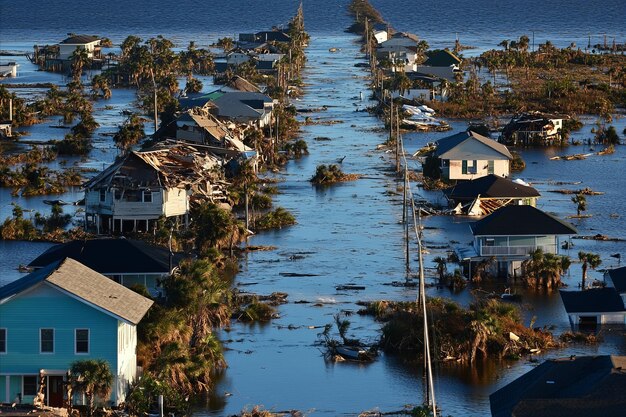
2026 Atlantic Hurricane Season Outlook: What Central Florida Residents Should Know And Prepare For
As the Atlantic hurricane season approaches, Central Florida residents should begin thinking about readiness now. Understanding what forecasters expect for the coming season helps families and households make smart decisions about supplies, insurance, and evacuation plans well in advance.
The Atlantic basin sees seasonal variations in tropical activity, and staying informed about the broader outlook gives you a framework for preparation. Central Florida's location—in the heart of the state, away from the immediate coast but still vulnerable to inland impacts—means that hurricane preparedness is a practical part of living here.
What the Seasonal Outlook Tells Us
Each year, forecasters assess atmospheric and oceanic conditions to project activity levels for the Atlantic hurricane season. These outlooks consider water temperatures, wind patterns, and other factors that influence storm development. The outlook helps communities understand whether conditions favor a typical season, a more active stretch, or a quieter period.
For Central Florida specifically, an active Atlantic season doesn't automatically mean direct impacts at your location. However, it does mean increased probability that the region could experience tropical weather—from heavy rain and gusty winds to more severe conditions. Understanding the seasonal context helps you gauge how seriously to take your preparation checklist.
Preparing Your Home and Supplies
Regardless of what any seasonal outlook predicts, Central Florida households should maintain hurricane readiness as a year-round habit. Stock your emergency kit with water, non-perishable food, medications, flashlights, and a battery or hand-crank radio. Keep important documents in a waterproof container.
For your home, trim trees and secure loose outdoor items. Know your evacuation zone and the routes you'd use to leave if ordered. If you're in a mobile home, understand your evacuation options early—don't wait for a storm to approach. Renters should confirm that their insurance covers personal belongings, since most landlord policies do not.
Insurance and Documentation
Now is the time to review your homeowner's or renter's insurance policy. Understand what's covered, what's excluded, and whether your coverage limits match your home's replacement value. Flood insurance through the National Flood Insurance Program or private carriers is separate from standard homeowner policies and takes time to process.
Take photos and video of your home's interior and exterior for documentation. Store these in a cloud service so they're accessible if you need to file a claim after a storm.
Staying Informed Through the Season
When the season is active, stay tuned to local National Weather Service forecasts and your news station's weather team. Familiarize yourself with the difference between a watch (conditions are favorable for development) and a warning (a storm is imminent or occurring). Know where to find reliable information—the National Weather Service website, your local TV weather forecast, and the National Hurricane Center are authoritative sources.
Central Florida residents should also understand that tropical systems can affect the region even if they track well offshore. Heavy rain, flooding, rip currents at nearby beaches, and downed trees can occur even when winds are moderate or gusty but not destructive.
Starting the Conversation Now
The Atlantic hurricane season brings a period of increased activity each year, and the 2026 outlook gives you the opportunity to prepare thoughtfully. Whether the coming season turns out to be active or quiet, having your supplies ready, your home in good shape, and your evacuation plan in place means you'll respond calmly if a storm does approach Central Florida.
Make your preparation part of your routine before the season begins. That way, when forecasters issue their first watches or warnings, you'll already be ready to focus on the actual storm rather than scrambling to get prepared.