Central Florida's Food Scene Expands As New Restaurants And Pop-Ups Ride The Summer Tourism Wave
The summer heat brings more than sticky afternoons and thunderstorms to Central Florida. It brings a surge of dining options—new restaurants opening, temporary pop-ups testing concepts, food trucks staking new territory. The region's restaurant landscape shifts noticeably each season, and summer has become a proving ground for chefs and restaurateurs looking to capitalize on the influx of visitors and the pent-up appetite for novelty.
Tourism peaks during these months, and the food industry follows the money. Diners have more disposable income, more time to explore, and fewer reservations about trying something untested. For restaurateurs, summer means a window to validate a concept, build a customer base, or simply ride the tide of seasonal spending before the busier winter arrives.
The Summer Appetite for New Flavors
Central Florida's restaurant community has long understood that tourists and locals alike crave discovery. Summer tourists, in particular, want to taste something they cannot find back home. Local residents, meanwhile, use the warmer months to venture out more regularly, willing to take chances on unfamiliar menus and unfamiliar names.
This demand creates opportunity. Established operators launch sister concepts or test new cuisines. Independent chefs open their first brick-and-mortar or launch temporary dining experiences. Food trucks proliferate in parking lots and parks, offering convenience and low overhead. Each format serves a different segment of the market, and collectively they reshape how people eat when the season turns warm.
Pop-Ups and Temporary Concepts
The rise of temporary dining has been particularly pronounced in the region. A chef might operate a pop-up restaurant three nights a week in a borrowed kitchen, building a following before committing to a permanent lease. Another might run a supper club from a private event space. These ventures carry less financial risk than a full restaurant and allow for more creative flexibility.
Visitors often seek out these limited-time experiences precisely because they are temporary. The scarcity creates urgency. Local food enthusiasts follow social media announcements, rush to book seats, and share their meals online. For a region that attracts millions of visitors annually, these ephemeral dining moments have become part of the appeal.
Established Players Expand
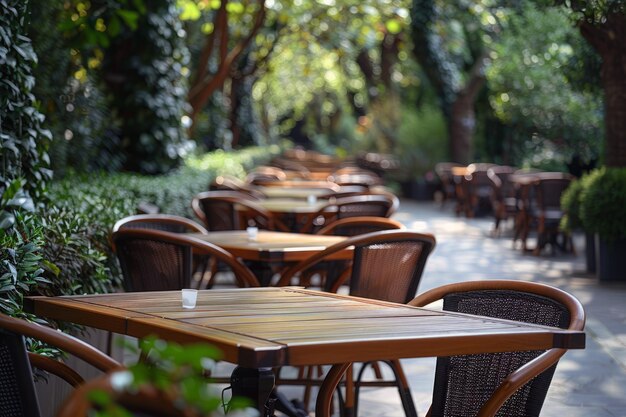
Existing restaurants in Central Florida are not passive during the summer surge. Some add outdoor seating, hire seasonal staff, or adjust menus to reflect the season's produce and the preferences of transient diners. Others open second locations or test new concepts in underserved neighborhoods.
This expansion reflects confidence in the market and a willingness to invest. It also signals that the region's food culture has matured beyond a handful of destination restaurants. Diners now expect choice, quality, and variety across multiple price points and cuisines.
What Summer Expansion Means for the Region
The influx of new dining options changes the texture of the community. Neighborhoods gain foot traffic and economic activity. Younger chefs and service workers find employment and mentorship. Local suppliers—farms, dairies, fisheries—gain new customers and revenue streams. The food scene becomes a draw in itself, not merely a supporting service for tourism.
For visitors, the abundance signals that Central Florida has become a place to eat seriously, not just a place to eat between other attractions. For residents, it means their own backyard is constantly refreshing, offering reasons to stay local and try something new without traveling.
Looking Ahead
As summer progresses, some ventures will thrive and expand into permanent fixtures. Others will close once the tourist wave recedes and local demand softens. This churn is natural, part of how the market tests ideas and allocates resources. The survivors become the foundations of the next wave of innovation.
Central Florida's food scene remains tied to the seasonal rhythms of tourism and weather. Summer is when that connection is most visible—when new ideas are tested, when entrepreneurs take risks, and when the region's appetite for culinary variety is most urgent. The restaurants and pop-ups opening now are not just feeding people; they are shaping the identity of the region, one meal at a time.