Pointe Orlando Becomes the City's Unofficial World Cup Headquarters This Summer
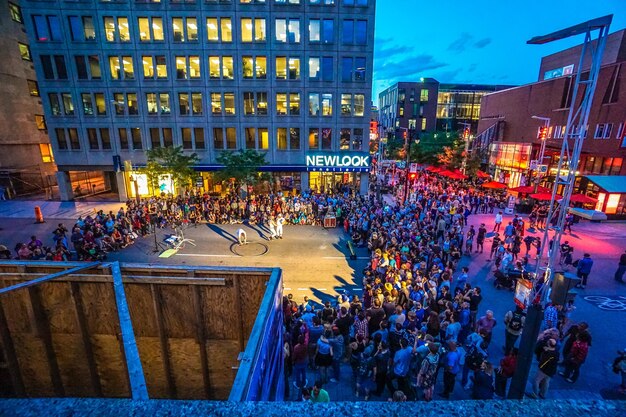
The outdoor plaza at Pointe Orlando is filling with soccer flags, international colors strung between palm trees, and crowds speaking a dozen languages. For one summer, the shopping and entertainment destination has transformed into something beyond its usual draw—a gathering place where the city's soccer fans converge to watch the world's most watched sporting event.
The shift reflects a real change in how people use the space. What was once primarily a retail and dining hub has become a social anchor during a major international tournament, drawing residents and visitors who want to experience the global spectacle together rather than alone at home.
From Shopping Center to Viewing Hub
The decision to position the venue as a gathering place for the tournament tapped into something organizers noticed: people don't just want to watch. They want to be part of a crowd, to celebrate with others who understand the stakes, to wear their country's colors and feel connected to something larger than themselves.
The outdoor design of the space works in its favor. Open-air seating, multiple screens, and room to move around allow the plaza to function differently than a traditional sports bar would. Families camp out for hours. Groups of friends claim tables. Strangers become temporary teammates in the stands.
Drawing from the City's Soccer Culture
This community has a long-standing relationship with soccer. Youth leagues, amateur clubs, and passionate supporters of international teams have established deep roots here. The tournament activation at Pointe Orlando isn't creating soccer culture—it's amplifying what already exists and giving it a central stage.
The venue's central location makes it accessible for people across the city and region. Proximity to restaurants and shops means fans can settle in for the duration of a match without leaving. The infrastructure was already there; what changed was the programming and atmosphere.
What the Crowds Reveal
The turnout during matches shows something about how people want to experience major events. Rather than fragmenting across dozens of individual viewing parties, crowds are gravitating toward a shared public space. There's energy in watching with hundreds of others who care about the same outcome.
The demographics reflect the city's makeup—families, longtime residents, visiting relatives, international students. Soccer, in this context, becomes a lens through which different communities gather under one umbrella. Languages, accents, and traditions blend in the stands.
The Seasonal Shift
Summer heat typically keeps people indoors in air-conditioned spaces or away from public venues. The tournament flips that dynamic. Evening matches and early morning kickoffs draw people out at times when the plaza might otherwise be quiet. Organizers extended hours and added amenities to accommodate the crowds, recognizing that this moment is temporary but significant.
Local restaurants and vendors reported increased foot traffic. The economic effect ripples outward, but the real story is social—people are choosing to be here, together.
Looking Ahead at Pointe Orlando
Once the summer tournament ends, the plaza will return to its regular rhythm. The flags will come down. The screens will shift back to promotional content. But the activation will have demonstrated the venue's potential as more than a shopping destination—it can function as civic gathering space during moments that matter to residents.
For a city with deep soccer roots and an increasingly global population, having a central gathering place during the summer's biggest tournament feels less like a marketing opportunity and more like an obvious fit. Pointe Orlando, for one season, became what the community needed it to be.