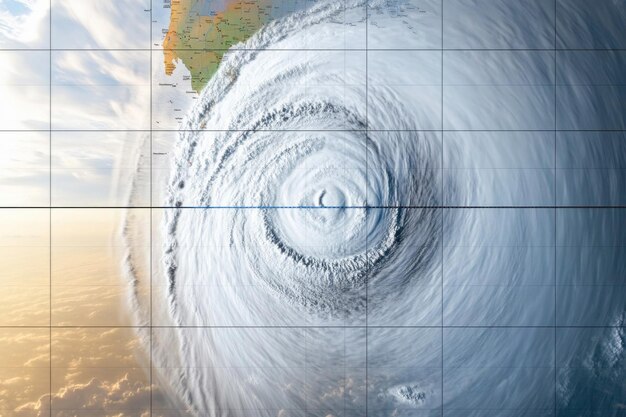
Storm Season 2026 Is Here: Orlando's Complete Guide to Tracking Hurricanes and Severe Weather
As storm season arrives in Central Florida, Orlando residents should start reviewing their preparation plans now. Whether you're tracking tropical systems online or preparing your home, understanding the seasonal pattern and knowing where to find reliable forecasts will help you stay safe and informed through the coming months.
Central Florida sits in a region where tropical systems and severe weather are a regular part of the annual cycle. Orlando's location—inland but within reach of coastal storm impacts—means the area faces a mix of threats: tropical storms and hurricanes that move inland from the Atlantic and Gulf, plus afternoon thunderstorms that build over the peninsula during warmer months. Your preparation strategy should cover both.
Getting Your Information From Reliable Sources
Start by bookmarking official weather resources before a storm threatens. The National Weather Service office serving the Orlando area issues all official forecasts, watches, and warnings for Central Florida. The National Hurricane Center tracks tropical systems throughout the Atlantic basin and provides the authoritative track and intensity forecasts. Both agencies update their products regularly as storms develop or change course, so checking these sources often—rather than relying on social media or secondary outlets—gives you the most accurate picture.
Most Orlando residents also benefit from setting up alerts on their phones through weather apps that pull data from official sources. When a tropical system is several days away, alerts help you avoid panic while still giving you time to prepare.
Tropical Systems and Inland Impact
The Atlantic hurricane season brings the potential for tropical storms and hurricanes to affect Florida, and Orlando residents should not assume being inland means safety. Inland areas of Central Florida have experienced significant wind damage, heavy rainfall, and flooding from tropical systems. Storm surge affects the coasts, but rainfall and gusty winds reach well into the interior.
When a tropical system approaches Florida, forecasters issue watches and warnings with increasing specificity as the threat window narrows. A watch means conditions are possible; a warning means conditions are expected. Track the system's projected path, but remember that forecast cones widen the further out they extend—early predictions shift, and official updates are your best guide.
Preparing your home during calmer months means securing loose outdoor items, trimming trees, checking your roof, and ensuring gutters are clear. During an approaching threat, bring in outdoor furniture, fill bathtubs with water for emergencies, charge devices, stock supplies, and know where to shelter if winds become severe.
Afternoon and Evening Thunderstorms
Beyond tropical systems, Central Florida's summer pattern brings frequent afternoon and evening thunderstorms. These develop as heat and humidity build over the peninsula and trigger convection. Most pass quickly, but some storms produce gusty winds, lightning, and brief heavy rain. Flash flooding in low-lying areas and near retention ponds is a concern during active storm days.
During these months, keep an eye on afternoon forecasts and radar. If you're driving, be aware that thunderstorms can develop and move quickly. Lightning remains a real hazard; if you hear thunder, seek shelter indoors immediately.
Year-Round Readiness in Orlando
Staying weather-ready means more than tracking a single storm. Keep an emergency kit accessible—water, flashlights, batteries, a first-aid kit, medications, and important documents. Know your evacuation zone and route if local officials call for evacuation. Understand your home's weaknesses: where water leaks, which doors don't seal well, which windows are most exposed to wind.
Subscribe to county and city alert systems so you receive evacuation orders and other official notices directly. Follow local emergency management and your city's official social media accounts for real-time updates during active threats.
Stay Informed, Stay Safe
Storm season is not something to fear if you prepare thoughtfully. Check official forecasts regularly, understand the risks specific to your location, and maintain your preparedness supplies and plans. When a storm threatens Orlando, your familiarity with reliable sources and your home's needs will help you make calm, informed decisions when conditions change fast.